Title
Accuracy of dental implant placement: Dynamic navigation vs robotic systems
Abstract
An ideal three-dimensional location not only avoids intra-operative damage to important anatomical structures but also facilitates the long-term masticatory and aesthetic performance of the implant. In this regard, advances in computer-aided implant surgery (CAIS) have received widespread attention. Static computer-aided implant surgery (s-CAIS) and dynamic computer-aided implant surgery (d-CAIS) can be used for osteotomy and implant placement without relying entirely on the dentist’s experience. They are associated with improved safety and accuracy of implant surgery. S-CAIS requires a surgical guide to accurately transfer the preoperatively designed implant position, while d-CIAS uses real-time tracking by an optical tracker and feedback from a computer screen about the relative positions of the drill and jaw to guide the operator to place the implant in desired position. In recent years, robotic computer-aided implant surgery (r-CAIS) has further reduced the need for dental implant experience. r-CAIS has a stable robotic arm that integrates robotics and dynamic navigation to allow for timely and efficient adjustment of the drill during implant insertion. This also avoids the influence of subjective factors, such as hand tremors and fatigue, on surgical outcomes. The purpose of this talk is to present the results of clinical and experimental studies related to d-CAIS and r-CAIS, and to compare the accuracy of d-CAIS with that of r-CAIS.
Biography
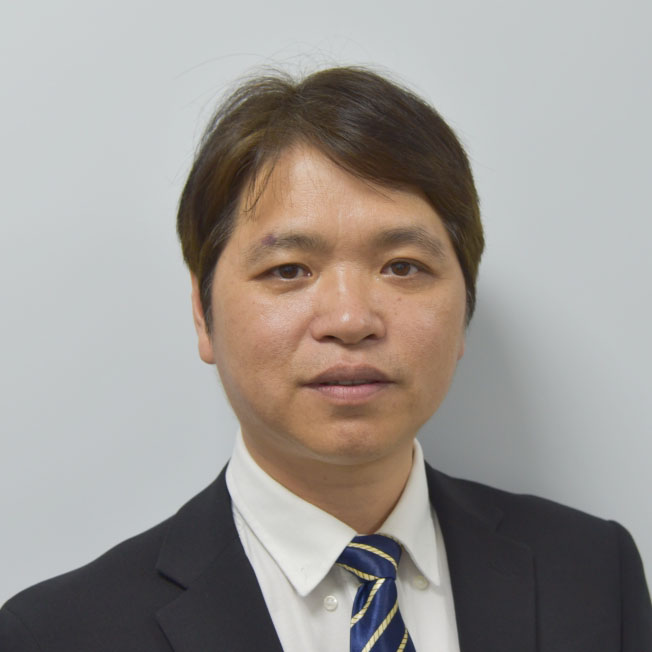
Dr Dong Wu is clinical professor of School and Hospital of Stomatology, Fujian Medical University. He is also the director of Oral and Craniofacial Implant Research Center and the deputy director of the Implantology Dept. He received BDS and MDS from School of Stomatology, Fujian Medical University. He worked as a visiting scholar in Institute of Health and Biomedical Innovation, Queensland University of Technology (AUS) from 2003 to 2006. His research interests include bone regeneration, sinus floor elevation with concentrated growth factor application, accuracy implant using dynamic naigation system and implant robots, and other related clinical research in implantology. He is the editor of Clinical Oral Implant Research (Chinese version) and Vice editor-in-chief of International Journal of Oral and Maxillofacial Implants(Chinese Version). He has published more than 50 papers and accomplished over 15 research projects. He has also won the third prize of 2012 and 2017 Fujian medical science and technology award, and science and technology progress award of Fujian Province in 2013. Dr. Dong Wu has efficiently completed thousands of complex implant surgery, helped many people obtain a full smile and enabling them to live with confidence. Due to his outstanding contribution in dental implant field, he was appointed to be the judge for several scholarly panels and competitions, such as the judges of the BITC Dental Implant Competition and the judges of East China Debating Competition of Dental Implant Prosthesis.
Biography
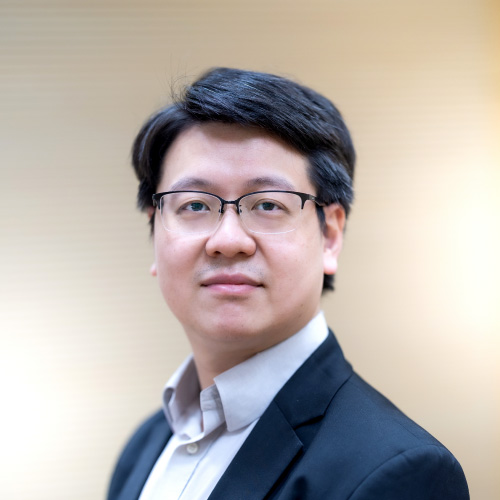
Dr Jiang CHEN, Professor of School and Hospital of Stomatology Fujian Medical University. He obtained his M.D. and Ph.D. degrees in Oral and Maxillofacial Surgery from West China School of Stomatology, Sichuan University, China. He worked as a visiting scholar in Harvard School of Dental Medicine, Tufts-New England Medical Center, Massachusetts (USA) from 2000 to 2001. His research interests includes digital occluso-rehabilitation, maxillofacial tumor research, oral implant, clinical research of oral aesthetics. He has published nearly 100 papers and accomplished nearly 20 research projects, including 2 projects supported by the National Natural Science Foundation of China. He edited, translated and co-edited 11 academic monographs. Due to the outstanding achievements, he awarded as “National Excellent Scientist” and “Recipient of special subsidies acknowledged by the State Council”. He is also a fellow of International Team for Implantology (ITI), an expert reviewer of NSFC and CSC, editor in chief of JOMI Chinese edition, reviewer of clinical oral implant research, special reviewer of Chinese Journal of Stomatology, and deputy editor in chief of Journal of Stomatology. Being a well recognized expert in his field, Prof. Chen is appointed as Director of academic board, school and hospital of stomatology Fujian Medical University, Executive Director of Chinese Stomatological Association, Director of Oral Implantology Committee and Oral Aesthetics Committee of Chinese Stomatological. He was also elected as a Fellow of International College of Dentists (FICD).
Biography
Dr Huang Xiaojing is the Dean and Professor (Endodontics and Operative Dentistry) at the School and Hospital of Stomatology, Fujian Medical University. She began her career in endodontics and operative dentistry after receiving her BSc, MSc, and Ph.D. degrees from the West China School of Stomatology, Sichuan University. She worked as a visiting scholar at King’s College London (UK) from 2003 to 2004. Her research interests are in endodontics, cariology and dental materials. She has published more than 90 papers and completed over 20 research projects, including three projects funded by the National Natural Science Foundation of China, and won the third prize in Science and Technology Progress in Fujian Province. Due to her outstanding achievements, she was recognized as a "High-Level Talent in Fujian Province" and awarded the titles of "Outstanding Contribution to Young and Middle-aged Experts" and "Returned Talent with Study Abroad" by the Fujian Provincial Health Commission. Professor Huang is responsible for the national first-class course in Endodontics and is one of the editorial members of the national planning textbook of Endodontics for General Higher Education. She is also the Deputy Director of the Committee on Geriatric Dentistry and the Committee on Laser Dentistry of the Chinese Society of Stomatology. In addition, she is also the Vice President of the Fujian Provincial Dental Association and the Chairman of the Laser Dentistry Committee of the Fujian Provincial Dental Association.
Biography
Dr Hao Yu is a Clinical Professor (Prosthodontics) and an Associate Dean at the School and Hospital of Stomatology. He concurrently serves as Dean of Overseas Education College and Director of International Students office, Fujian Medical University. Dr. Yu holds dual doctoral degrees from Wuhan University (China) and the University of Zurich (Switzerland), and maintains adjunct professorships at the University of Zurich and Nagasaki University dental schools. He is the president of Fujian Prosthodontics and Dental Materials Society, the vice president of Western Returned Scholars Association at Fujian Medical University, a standing committee member of Chinese Prosthodontics Society (CPS), and a standing committee member of Chinese Dental Materials Society. Dr Yu’s research interests include dental materials, tooth bleaching, prevention of dental erosion, and dental education. He published more than 100 peer-reviewed publications and conference presentation. He has served as an Editorial Board Member of Journal of Prosthodontic Research and Guest Editors of BioMed Research International and Frontiers in Materials. Dr Yu was awarded the Science & Technology Award for Young Talents of Fujian Province in 2021, the Fujian Medical Science and Technology Award in 2023, and was elected as a Fellow of International College of Dentists (FICD) in 2017.
Biography
Dr Dong Wu is clinical professor of School and Hospital of Stomatology, Fujian Medical University. He is also the director of Oral and Craniofacial Implant Research Center and the deputy director of the Implantology Dept. He received BDS and MDS from School of Stomatology, Fujian Medical University. He worked as a visiting scholar in Institute of Health and Biomedical Innovation, Queensland University of Technology (AUS) from 2003 to 2006. His research interests include bone regeneration, sinus floor elevation with concentrated growth factor application, accuracy implant using dynamic naigation system and implant robots, and other related clinical research in implantology. He is the editor of Clinical Oral Implant Research (Chinese version) and Vice editor-in-chief of International Journal of Oral and Maxillofacial Implants(Chinese Version). He has published more than 50 papers and accomplished over 15 research projects. He has also won the third prize of 2012 and 2017 Fujian medical science and technology award, and science and technology progress award of Fujian Province in 2013. Dr. Dong Wu has efficiently completed thousands of complex implant surgery, helped many people obtain a full smile and enabling them to live with confidence. Due to his outstanding contribution in dental implant field, he was appointed to be the judge for several scholarly panels and competitions, such as the judges of the BITC Dental Implant Competition and the judges of East China Debating Competition of Dental Implant Prosthesis.
Biography
Dr Dali ZHENG, professor of Fujian Key laboratory of Oral Diseases, School and Hospital of Stomatology, Fujian Medical University. He received BSc degree in Biochemistry at Fudan University, graduated with MSc in Immunology at Fujian Medical University, and obtained PhD degree in Biochemistry and Molecular Biology at Shanghai Jiaotong University. He was a postdoctoral research fellow at University of Missouri (USA) and Washington University in St Louis (USA) from 2009 to 2013, and research associate at Moffitt Cancer Center and University of South Florida (USA) from September of 2013 to January of 2018. He won the title of “Distinguished Professor of Minjiang Scholarship” in 2018 and is serving as academic editor for Biomedical Reports, and Frontiers in Bioscience, reviewer for several international journals such as Ebiomedicine, Cancer Letters, Journal of Dental Research, BMC oral health and so on. He published more than 80 research papers in international journals including Nature Nanotechnology, IJOS, J Nanobiotechnology, Oncogene, JCI, and won First-class prize of Natural Science Award of Ministry of Education (4th authorship) in 2016 and Second-class prize of Scientific Innovation Award of Fujian Province (2nd authorship) in 2017. His research is mostly focused on the molecular biology of oral cancer and oral microenvironment.
Title
Non-surgical treatment for peri-implant bone loss with drug-induced gingival hyperplasia
Abstract
Peri-implant bone loss is influenced by multiple factors, and understanding these interactions is essential for effective treatment. However, there is limited information available on managing peri-implant bone loss when it is linked to adverse drug reactions. This report presents a case of drug-induced gingival hyperplasia with severe peri-implant bone loss that was successfully treated using a non-surgical approach. A 60-year-old male developed peri-implant soft tissue hyperplasia and significant bone loss four years after receiving an implant in the right mandibular posterior region. The condition was diagnosed as drug-induced, and a non-surgical treatment plan was initiated, including antimicrobial therapy, occlusal adjustment, and switching the patient’s antihypertensive medication. Within two weeks, the hyperplastic soft tissue showed regression, and follow-up radiographs at three months demonstrated nearly complete bone regeneration in the previously resorbed area. Over a 33-month follow-up period, the peri-implant soft tissue remained stable and healthy. This case suggests that non-surgical comprehensive treatment can effectively reconstruct severe peri-implant bone loss caused by drug-induced gingival hyperplasia.
Biography
Dr Yan currently serves as an senior assistant professor at the School and Hospital of Stomatology, Fujian Medical University. Additionally, he holds several academic and professional roles, including Secretary of the Oral Implantology Teaching and Research Section at the School of Stomatology of Fujian Medical University, Committee Member of the Fujian Provincial Oral Implantology Specialty Committee, Youth Committee Member of the Fujian Provincial Oral Aesthetics Specialty Committee, and Youth Lecturer of the Chinese Stomatological Association's Oral Aesthetics Specialty Committee. Dr. Yan has long been engaged in clinical practice, teaching, and research in oral implantology. As a principal investigator, he has led two general projects funded by the Fujian Provincial Natural Science Foundation, one Fujian Provincial Health Young Backbone Talent Program, and one Fujian Provincial Health and Family Planning Commission Youth Research Project. To date, he has published 12 academic papers in SCI-indexed and domestic core journals and holds three national patents.
Title
Quantitative Biomechanics of Rocking-chair Archwire in En Mass Retraction
Abstract
Rocking-chair archwire(RCA) and posterior implant anchorage have been widely used in orthodontic treatment for En mass retraction of anterior teeth. However, the moving pattern of teeth is determined by several factors, including angle of RCA, height of anterior retraction hook(ARH) and height of posterior implant, initial inclination of incisors, and so on. There is still controversy on the optimal force system to achieve translation of anterior teeth. On the base of former research about precise location for the center of resistance(CRe) of upper anterior teeth, our project developed simplified and quantitative method to simulate RCA and investigate its biomechanics in En mass retraction of upper anterior teeth. It has been found that RCA can effectively control the moving pattern of the maxillary anterior teeth and prevent their over-erection and extrusion during retraction with sliding mechanics. During intra-arch traction with rigid stainless steel archwire, RCA of 20° theoretically has sufficient torque control on the anterior teeth to achieve translation. When using medium-height anchorage screws with different lengths of ARH to retract the anterior teeth, increasing the angle of RCA and extending the length of ARH both can increase the positive torque of the anterior teeth. The equivalent coefficient ratio between RCA angel and ARH height was approximately 1.5:1. Theoretically, application of 3 mm ARH with 5.8 ° RCA, and 6 mm ARH with 3.6° RCA, can achieve En-mass retraction of the maxillary anterior teeth. Further heat induced Typodont system(HITS) research has rectify the efficacy of RCA and ARH in torque control, and indicates that the gap between archwire and brackets slot bridges the difference between theoretical research and Typodont experiments.
Biography
Dr Su is associate clinical professor and postgraduate student tutor at School and Hospital of Stomatology, Fujian Medical University. He obtained his BDS to MDD degree from the Fujian Medical University. Dr. Su actively engages in dental education, basic research, and clinical orthodontic practices. He worked as visiting scholar in Queensland University of Technology in 2018 and Hongkong University in 2024. He is a standing committee member of Chinese Orthodontics Society, and a standing committee member of Chinese Oral Biomedicine Society. Dr. Su focuses on research of dental biomaterials and orthodontic biomechanics, and has accomplished 5 research projects, including projects supported by the Natural Science Foundation of Fujian Province, Fujian Provincial Health Commission.
Title
Association between Cnm-Positive Streptococcus Mutans and Cerebral Small Vessel Disease
Abstract
Cerebral Small Vessel Disease (CSVD) is one of the main causes of stroke , dementia and age-related cognitive impairment. Multiple studies have shown that the severity of CSVD is correlated with the alteration of Blood Brain Barrier (BBB) integrity, only S.mutans expressing the cnm gene can invade human coronary artery endothelial cells, but its effect on the BBB and its correlation with CSVD remain unknown , and the potential pathogenic mechanism in small vessel diseases of the brain is relatively limited. The purpose of this longitudinal study aims to explore the relationship of cnm-positive S.mutans to the development of CSVD .We retrospectively investigated patients with CSVD from 2023 to 2025. All patients underwent medical check-ups with brain MRI examinations and cognitive functional examination. MultivariabIe models were generated to determine the contribution of cnm-positive S.mutans to hypertensive ICH and number of deep CMBs after adjusting for known risk factors. A total of 179 patients were enrolled in the study and allocated to the health control [N =60] and CSVDs [N =119]groups . 17% with cnm-positive S. mutans in CSVDS groups via 0% in health control groups . Clinical history and oral examination were comparable between the 2 groups. The incidence of CSVDs was significantly higher in the group with cnm-positive S. mutans , especially in deep areas , which persisted after adjusting for age, sex, hypertension , and renal impairment. This study highlight that the presence of oral cnm-positive S.mutans may be regarded as a risk indicator for CSVDs.
Biography
Dr Xue Liang received D.D.S. and Ph.D degrees from the West China School of Stomatology, Sichuan University. She is a national youth civilized role model, an introduced talent in Fujian Province, one of the Top Ten teachers & an exemplary figure on the youth list of FJMU, a UMKC visiting scholar in the United States. She is currently the Deputy Director of the Teaching Management Department and an senior assistant professor at the School and Hospital of Stomatology, FJMU. She serves as a youth member of the Geriatric Stomatology Professional Committee of the Chinese Stomatological Association, a member of the Cariology, operative dentistry & endodontics and Geriatric Stomatology Professional Committee of Fujian Province. She has conducted academic exchanges in countries such as the United States and Canada multiple times. She is a national-level secretary for online and offline mixed first-class courses and has participated in one national-level virtual experimental project as the fourth contributor. She has hosted 3 provincial, university, and college-level research projects and published 4 SCI papers. She has received first and second prizes several times in national, provincial, and university-level teaching competitions. She is the guiding teacher for the first, second, and third prizes in the Chinese Stomatological Association's College Student Dental Science Popularization Works Creation and Communication Competition.
Title
Abstract
Regenerative endodontics, an emerging trend in dentistry, offers great potential to improve tooth longevity. This treatment utilises the biological functions of stem cells and growth factors to induce regeneration, repair, or preserve vital pulp tissue in root canals. This workshop will feature a lecture series covering various modern treatment modalities based on the latest scientific research evidence and years of clinical experience from the speakers. A demonstration will then highlight the treatment steps involved, including clinical tips to avoid common mistakes and improve treatment outcomes.
Biography
Professor Chengfei Zhang is a clinical professor in Endodontics, Associate Dean for Research and Innovation, Faculty of Dentistry, The University of Hong Kong (HKU). He serves as an editorial board member for International Endodontic Journal, International Dental Journal, and Bioengineering. He obtained his DDS and his Ph.D. degree from Peking University. He joined the Faculty of Dentistry HKU in 2009. His innovative research activities are internationally recognized, and he was awarded the IADR William J Gies Award for Biomaterials and Bioengineering Research, the Journal of Endodontics award for best paper, and the IADR distinguished scientist. His research in endodontic etiopathogenesis and pulp regeneration has been funded by Hong Kong RGC and Chinese mainland funding. He has lectured on many occasions nationally and internationally, particularly in IADR/ AADR and IADR-SEA meetings, and published over 200 journal papers/ book chapters.
Biography
Professor Angeline Lee's journey in dentistry began with her graduation with a Bachelor of Dental Surgery in 1999 from the University of Otago, New Zealand. She then practised general dentistry in the private sector in Sydney, Australia, until 2008. Driven by her passion for endodontics, she then pursued and completed a Master of Dental Surgery in Endodontics and an Advanced Diploma in Endodontology in 2010 and 2011, respectively, from the Faculty of Dentistry, the University of Hong Kong. Her dedication was recognised when the Royal College of Surgeons of Edinburgh awarded her as a gold medalist for her performance in the Conjoint CDSHK Intermediate-MEndo RCSEd exam in 2011. She is a fellow of the College of Dental Surgeons of Hong Kong, the Hong Kong Academy of Medicine, and the Royal College of Surgeons of Edinburgh. She is also a fellow of the Royal Australasian College of Dental Surgeons in their general and specialist streams and a registered Specialist in Endodontics with the Dental Council of Hong Kong and the Dental Board of Australia. Professor Lee's expertise and leadership have been evident throughout her career. She worked as the Principal Clinical Dental Instructor in the Faculty of Dentistry at the University of Hong Kong and at private dental clinics from 2012 to 2022 before becoming a full-time Clinical Assistant Professor at the same university. She was appointed Programme Director in Endodontics and Assistant Dean in the Taught Postgraduate Programme. She is also a Deputy Chief of Clinical Services of the IAD-MSC, HKU. Her commitment to the field extends beyond academia, as she serves as a committee member of the Complaint Committee of the Private Healthcare Facilities Ordinance and the President of the Hong Kong Endodontic Society. She has lectured extensively and published numerous papers in the international peer-reviewed journals.
Biography
Professor Mingxin Hu is a Clinical Assistant Professor in the Faculty of Dentistry at the University of Hong Kong (HKU). She earned her BDS from Sichuan University and MDS from HKU. She has currently in her PhD candidature at HKU since 2021. Her research investigates innovative approaches to dental pulp regeneration, with specialized immunomodulation strategies to improve outcomes in allogeneic dental pulp stem cell transplantation. Dr. Hu has published numerous to high-impact academic journals and has shared her findings at various international conferences. As the Principal Investigator, she has successfully secured two internal research grants to advance her work in regenerative dentistry.
Biography
Dr Tan graduated with a Bachelor of Dental Surgery from AIMST University, in year 2016. He then practiced in general dentistry in Penang, in both government and private sectors until September 2019. In year 2022, he graduated from The University of Hong Kong, Hong Kong S.A.R. with Master of Dental Surgery in Endodontics. He further obtained a diplomate title- Membership of Endodontics (M. Endo.) from the Royal College of Surgeons of Edinburgh after passing the examinations. Dr Tan is a registered Specialist in Endodontics with Malaysian Dental Council. Previously, Dr Tan was working as a full-time private Endodontist TRIA Dental Specialist Centre, Penang, Malaysia. As a private sector specialist in root canal. Furthermore, Dr Tan was also the part-time clinical lecturer atAIMST University, Malaysia. Dr Tan is currently working in The University of Hong Kong, Hong Kong S.A.R. as a full-time senior clinical practitioner (Endodontology) under the division of Restorative Dental Sciences. He mainly involves in undergraduates’ clinical teaching and supervision. Dr Tan’s main interests in endodontics include periodontal-endodontic lesions, endodontic-orthodontic interrelationship, microbiology, clinical outcome audit and dental education. Dr Tan has been actively engaging in lectures and webinar givingin Malaysia. He currently holds the Key Opinion Leadership’sposition for Dentsply Sirona, Malaysia.
Title
Abstract
Digital orthodontics is revolutionizing the field of orthodontics by integrating advanced technologies to enhance diagnosis, treatment planning, and patient care. With innovations such as 3D imaging, computer-assisted design, and artificial intelligence, orthodontists can offer more precise and efficient treatments. In this workshop, we will explore the role of digital technologies in shaping the future of orthodontic practices. The session will cover a range of topics, including digital workflows, treatment planning, and aligner design, providing valuable insights into how these tools can enhance clinical outcomes and patient satisfaction.
Biography
Professor Yifan Lin is currently a Clinical Assistant Professor in Orthodontics at the Faculty of Dentistry, the University of Hong Kong (HKU). She is the Undergraduate Programme Director in Orthodontics and plays an active role in both undergraduate and postgraduate orthodontic education. Prof. Lin received her Doctor of Stomatological Medicine Degree from Peking University and a PhD Degree from HKU. She holds the Fellowship in Dental Surgery (FDS RCSEd) and the Specialty Membership in Orthodontics of Royal College of Surgeons of Edinburgh (MOrth RCSEd). Prof. Lin’s research bridges clinical practice and basic science, with particular interests in clinical orthodontic diagnosis and treatments, bone remodeling biology, and periodontal bone regeneration. She and her team have received numerous international awards, including the IADR GC Centennial Research Grant (2022), IADR Consortium for Translational Orthodontic Research Award (2022), IADR Innovation Award for Excellence in Orthodontics Research (2024), IADR Colgate Research Travel award (2025), IADR STAR Network Fellowship (2025), and the American Board of Orthodontics Case Report of the Year (2023).
Biography
Professor Zhiyi Shan holds the position of Clinical Assistant Professor in Orthodontics at the Faculty of Dentistry, The University of Hong Kong. She received her Bachelor of Dental Surgery (BDS) and Master of Dental Surgery (MDS) from Shanghai Jiao Tong University and her PhD Degree from HKU. Prof. Shan’s research interests centre on digital orthodontics, artificial intelligence in dentistry, and bioengineering in orthodontics. She has secured five external/internal grants as the principal investigator and contributed to the field through publications in high-impact journals as well as being an editorial board member/invited reviewer of over ten reputational journals. Recognized as a Fellow of the Royal College of Surgeons of Edinburgh in Orthodontics, Prof. Shan currently serves as Deputy Director of the Taught Postgraduate Programs in Orthodontics at the University of Hong Kong. Driven by a passion for innovation and education, Prof. Zhiyi Shan is committed to advancing orthodontic knowledge through her clinical practice, research, and teaching.
Biography
Professor Zhongyuan Tang is a Clinical Assistant Professor in Orthodontics at the Faculty of Dentistry, The University of Hong Kong. He received his Bachelor of Dental Surgery (BDS) and Master of Dental Surgery (MDS) from Jilin University and his PhD Degree from HKU. Prof. Tang’s clinical expertise and research interests focus on interceptive orthodontic treatments, utilizing evidence-based approaches. As the Deputy Director of the Undergraduate Programme in Orthodontics, Prof. Tang has been actively involved in enhancing the teaching of interceptive orthodontics within the undergraduate curriculum. In the taught postgraduate programme, he oversees interdisciplinary pediatric-orthodontic teaching, encompassing both clinical supervision and didactic instruction. Professor Tang serves as a reviewer for several internationally recognized journals, such as Oral Diseases, the European Journal of Orthodontics, BMC Oral Health, and the European Journal of Oral Sciences.
Title
Application of digital approach for challenging maxillofacial implant surgery
Abstract
With advancements in maxillofacial imaging and technology, computer-assisted implant surgery has become widely adopted to ensure the precise placement of dental implants. Both static and dynamic computer-assisted techniques have proven effective in achieving high accuracy in conventional implant procedures. However, for complex cases such as maxillary defects and jawbone reconstruction, current digital devices and technologies often fall short of clinical requirements. While these cases can be simulated and planned digitally, accurately translating the preoperative plan into surgical execution remains challenging, as precise intraoperative guidance is difficult to achieve solely through software-based planning. Therefore, it is essential to develop personalized digital planning protocols that adhere to the principles and workflows of digital implantology. This involves utilizing existing equipment and software to tailor digital strategies based on the specific characteristics of each case. Such personalized approaches are crucial to fulfilling diverse clinical treatment needs and achieving optimal therapeutic outcomes.
Biography
Professor Feng Wang obtained BDS (2005), MDS (2007), and phD (2015) degrees from SJTU. She had been involved in dental implant treatment in Ninth People's Hospital, SJTU from 2007 to 2024. Professor Wang has an ongoing interest in digital implant surgery, implant related oral reconstruction. Her current basic research focuses on the development of congenital tooth loss and implant therapy. She is the Fellow of International Team for Implantology (ITI), Educational Committee Member of Foundation of Oral Rehabilitation (FOR) and Committee Member of Chinese Stomatological Association, implantology branch and oral genetic/rare diseases branch. She has published more than 70 papers in international peer-reviewed journals and now is on the editorial board of CIDRR.
Biography
Professor Jin is the Dean, Modern Dental Laboratory Professor in Clinical Dental Science, Chair Professor of Periodontology and Clinical Professor in Periodontology at HKU Faculty of Dentistry. He joined HKU in 1994, and served as the Associate Deans (Mainland & Global Affairs, 2006-2010; and Research, Innovation & Enterprise, 2011-2015). He was honoured with the Fellowship in Dental Surgery ad hominem by the Royal College of Surgeons of Edinburgh (2007). Main leadership services include the Councillor of FDI World Dental Federation (2015-2021), Chair of FDI Global Periodontal Health Project Task Team (2016-2021), FDI Science Committee Chairman (2012-2015); Member of IADR Board of Directors (2018-2021), IADR-Asia Pacific Region President (2019.12-2020), Chair of IADR-Task Group in Periodontal Disease - GOHIRA (2009-2012); Asian Pacific Society of Periodontology President (2011-2013); Honorary Council Member of Chinese Stomatological Association (2008-2021); Founding Member of CDSHK Specialty Board in Periodontology (2001-2017); and a current Board Member of International Academy of Periodontology (2012-) and Vice-Chairman of Guangdong-Hong Kong-Macao Greater Bay Area Oral Health Alliance (2018-). He sits on the editorial boards of J Clin Periodontol (2011-) and J Periodont Res (2007-), and previously J Periodontol (2006-2023) and JDR (2010-2015). He as a PI has received 10 GRF grants from the Hong Kong Research Grants Council. He has primarily supervised research projects for 42 postgraduates, and his team has obtained multiple international prizes. He has delivered 243 invited lectures nationally/internationally, e.g., FDI World Dental Congress (2016-2019, 2024), IADR General Sessions (2010/2013) and EuroPerio 8 (2015), and published 294 journal papers and books/chapters/monographs.
Biography
Professor Chu is Kingboard Professor in Advanced Dentistry, Chair Professor of Family Dentistry, and Associate Dean (Knowledge Exchange and Development) of HKU Faculty of Dentistry. His leadership extends globally, serving as Chair of the FDI Public Health Committee and Vice President of the Asian-Oceanian Federation of Conservative Dentistry. He has previously held esteemed positions as president of the Asia Academy of Preventive Dentistry, the South East Asia Association for Dental Education, and the Society of Preventive Dentistry of Hong Kong. His professional accolades include fellowship in the Royal Australasian College of Dental Surgeons, the Hong Kong Academy of Medicine, the Royal College of Surgeons of Edinburgh, the Academy of Dental Materials and the International College of Dentists. He is a diplomate of the American Board of General Dentistry and a Master of the Academy of General Dentistry. An educator at heart, he supervises PhD students and postdoctoral fellows. Some of them have ascended to full or associate professors, with some listed among the Top 2% Scientists.
Biography
Professor Edward C.M. Lo has been the Chair Professor of Dental Public Health in the University of Hong Kong (HKU) since 2013. He obtained BDS (1985), MDS (1987) and PhD (1995) degrees from the HKU, and Fellowship of the Hong Kong Academy of Medicine (FHKAM) in 1993. He is a past President of the Southeast Asian Division and the Asia-Pacific Region of the International Association for Dental Research (IADR), and a past IADR Treasurer (2012-2015). Prof. Lo is the Chairman of the Specialty Board of Community Dentistry and a past President (2012-2014) of the College of Dental Surgeons of Hong Kong. His research area is oral epidemiology, oral healthcare services and preventive dentistry. He has published over 400 journal articles. Prof. Lo was awarded the IADR Distinguished Scientist Award (Geriatric Oral Research) in 2016 and the IADR E.W. Borrow Memorial Award (for research in oral health promotion for children) in 2021.
Biography
Professor Chengfei Zhang is a clinical professor in Endodontics, Associate Dean for Research and Innovation, Faculty of Dentistry, The University of Hong Kong (HKU). He serves as an editorial board member for International Endodontic Journal, International Dental Journal, and Bioengineering. He obtained his DDS and his Ph.D. degree from Peking University. He joined the Faculty of Dentistry HKU in 2009. His innovative research activities are internationally recognized, and he was awarded the IADR William J Gies Award for Biomaterials and Bioengineering Research, the Journal of Endodontics award for best paper, and the IADR distinguished scientist. His research in endodontic etiopathogenesis and pulp regeneration has been funded by Hong Kong RGC and Chinese mainland funding. He has lectured on many occasions nationally and internationally, particularly in IADR/ AADR and IADR-SEA meetings, and published over 200 journal papers/ book chapters.
Biography
Professor Richard Yuxiong Su currently works as Clinical Professor and Chief of Division of Oral and Maxillofacial Surgery, Faculty of Dentistry, The University of Hong Kong. He is also an Honorary Professor at the Department of Otorhinolaryngology, Chinese University of Hong Kong. Professor Su is a Councillor of International Academy of Oral Oncology. He serves as international faculty and Asia Pacific Board member of the AO Craniomaxillofacial Foundation. He also works as a Section Editor of International Journal of Oral and Maxillofacial Surgery, an Associate Editor of Frontiers in Oncology (Head and Neck Cancer Section) and Deputy Editor of Craniomaxillofacial Trauma & Reconstruction. His main research areas include clinical and translational research in oral and maxillofacial oncology, microsurgical reconstruction, and salivary gland diseases, with special focus on computer-assisted surgery and 3D printing in head and neck reconstruction. He has published more than 150 manuscripts in peer-reviewed international journals. Professor Su is the inventor of seven patents, including two US and EU patents and five China patents. He has been awarded ten peer-reviewed external research grants as the principal investigator. Professor Su has been invited to give lectures in numerous international and regional conferences and courses. He is ranked by Clarivate Analytics in the top 1% researcher worldwide by citations in 2021 and 2022.
Biography
Professor Wang is currently a professor in Faculty of Dentistry, the University of Hong Kong (HKU). He was a full Professor of Biomedical Informatics at Mayo Clinic in Arizona, and affiliate Professor at Arizona State University, USA. He obtained his PhD from University of Washington, Masters from University of Pennsylvania, USA and Jiangnan University, and BE from Huazhong Agricultural University, China. Prof. Wang’s research interests are in Bioinformatics, gene regulatory network construction, AI and methodology development for data analysis. He has published over 130 papers in journals such as Nature genetics, Nature Communications, Nature Machine Intelligence, Circulation, NAR, Bioinformatics, and has obtained funding from RGC of Hong Kong, and NIH of USA as project leaders. He was an ISI top 1% cited scholar, an outstanding young researcher awardee at HKU, and is currently an associate editor of Journal of Cancer Immunology, Immunotherapy.
Title
Decoding Caries and Periodontal Disease through Spatiotemporal Microbiome Dynamics
Abstract
The oral microbiome is a central player in caries and periodontal disease. This lecture presents a precision dentistry approach by decoding microbial dynamics at unprecedented resolutions. We first link the microbiome to periodontal health through longitudinal multi-omics, introducing the "Oral Microbiota Age (OMA)" biomarker. We found OMA accelerates during gingivitis, providing a novel metric for monitoring status and aging, and revealing tangible candidates for anti-gingivitis therapies. We then address caries at the single-tooth level. Longitudinal studies show that a healthy mouth exhibits a precise anterior-to-posterior ecological gradient. Early childhood caries (ECC) disrupts this spatial architecture before clinical decay appears. Integrating these patterns, we developed a spatial Microbial Index of Caries (sMiC), a predictive model achieving exceptional accuracy (AUC >0.93) in identifying at-risk teeth for targeted prevention. Finally, we introduce scRamanomics, a functional single-cell platform that acts as a "metabolic microscope." It identifies not only which bacteria are present but also which are metabolically active and pathogenic. Together, this multi-scale research—from host-level aging to single-tooth prediction—paves the way for microbiome-guided diagnostics and targeted interventions in clinical dentistry.
Biography
Professor Shi Huang is an Assistant Professor at the University of Hong Kong (HKU) Faculty of Dentistry and Head of the Microbiome Innovation Centre. His research pioneers advanced methods for human microbiome analysis, focusing on chronic disease prediction, probiotics mining and applications, Raman-activated single-cell sorting, and low-biomass microbiomes. After earning his Ph.D. from the University of Chinese Academy of Sciences, he conducted postdoctoral research in Professor Rob Knight's team at UCSD. Dr Huang's work has led to high-impact publications in journals such as Nature Methods and Cell Host & Microbe (3), Microbiome, mBio, JDR, etc.. He has been recognized as a Clarivate Highly Cited Researcher (top 1%) in 2023 and 2024 and is a Finalist for the 2025 IADR Joseph Lister Award for New Investigators. An active editor for journals like mSystems and iMeta, he also holds 7 invention patents. He has successfully secured and managed numerous competitive research grants. These include projects funded by the NSFC — both a Young Scientist Fund (2014) and a General Program (2025) — the Hong Kong Health and Medical Research Fund (HMRF), and the HKU Large Research Equipment Fund, underscoring his leadership in securing support for cutting-edge dental microbiome research.
Title
Deciphering Taste Loss Mechanisms in SARS-CoV-2 Infection: Implications for Therapeutic Options
Abstract
Taste loss is a common symptom of COVID-19, affecting over 60% of infected individuals; however, current effective treatments for this condition remain limited. The underlying mechanisms of SARS-CoV-2-induced taste loss are poorly understood, partly due to the lack of relevant in vitro models. In this study, we developed a physiologically relevant taste bud organoid model derived from hamster tongue stem cells. Ex vivo experiments confirmed the susceptibility of hamster tongue tissues to SARS-CoV-2 infection. The resulting organoids expressed all three types of taste receptor cells (Type I, II, and III), closely recapitulating native taste bud cellular composition, and demonstrated functional responses to various tastants. Infection with SARS-CoV-2 induced structural alterations and elicited a pronounced inflammatory response, with cytokine profiling identifying key immune mediators involved. Treatment with a cytokine inhibitor attenuated tissue damage, highlighting its therapeutic potential. These findings demonstrate that the taste bud organoid is a valuable in vitro model for studying SARS-CoV-2’s effects on taste cells and elucidating the inflammatory pathways involved in taste dysfunction. This work lays the groundwork for developing targeted therapies to mitigate taste loss related to COVID-19.
Biography
Professor Jade Lee Lee Teng is an Associate Professor in the Faculty of Dentistry at the University of Hong Kong (HKU). She obtained her Master of Medical Sciences and PhD degrees in Microbiology from the University of Hong Kong. Professor Teng joined the Faculty of Dentistry at HKU in 2023. Prior to her current appointment, she worked in the Department of Microbiology at HKU, where she specialized in infectious disease research. Throughout her career, Professor Teng and her research team have received research awards from HKU and international conferences. She has secured multiple research grants as a principal investigator and has authored over 130 publications in leading peer-reviewed journals. Her significant contributions to medical microbiology have earned her recognition as a Fellow of the Royal College of Pathologists (UK). Since joining the Faculty of Dentistry, her research has focused on developing oral organoid models to investigate disease mechanisms, promote tissue regeneration, and explore novel treatment strategies – aiming to bridge dentistry and medicine through microbiological insights to improve disease diagnosis and therapy.
Title
Clinical Applications of AI-Powered Tooth Segmentation in CBCT for Oral Surgery
Abstract
Deep learning has been successfully applied to tooth segmentation from CBCT images with high accuracy and efficiency. Our research highlights the rapid evolution and exceptional performance of various deep learning models, encompassing single-stage convolutional models, convolutional models with U-Net architecture, Transformer models, convolutional models with attention mechanisms, and combinations of multiple models. Overall, deep learning has achieved a pooled Dice Similarity Coefficient (DSC) of approximately 0.93, enabling precise identification of dental structures despite similar radiodensities and close proximity to adjacent tissues. Clinically, AI-enabled automated segmentation enhances preoperative planning for procedures such as impacted tooth removal, implant placement, cyst enucleation, and orthognathic surgery, resulting in more streamlined surgical workflows and improved patient outcomes. Furthermore, AI-driven segmentation has been explored in the fabrication of surgical splints, demonstrating satisfactory performance comparable to traditional methods involving dental impressions and intraoral 3D scanning. Overall, AI-powered tooth segmentation from CBCT images holds significant promise in transforming digital workflows in oral surgery, optimizing surgical planning, and improving patient care. Future studies should prioritize standardization and prospective validation to fully realize its potential in clinical practice.
Biography
Professor Teddy Weifa Yang is a Clinical Assistant Professor in Oral and Maxillofacial Surgery at the Faculty of Dentistry, The University of Hong Kong. He earned his Bachelor's and Master's degrees in Stomatology and Oral Maxillofacial Surgery from Sun Yat-sen University, and a PhD from The University of Hong Kong. He is a registered dentist in both Hong Kong and The People's Republic of China. Dr. Yang also serves as an Honorary Dental Officer at Queen Mary Hospital. His research focuses on computer-assisted jaw surgery, artificial intelligence, 3D printing, and digital dentistry. He has contributed to over 40 peer-reviewed articles, holds an H-index of 19, and has secured seven external grants, including two as principal investigator. Professor Yang is a Fellow of the International Association of Oral and Maxillofacial Surgeons and holds membership in Oral & Maxillofacial Surgery at the Royal College of Surgeons of Edinburgh. He actively participates in numerous professional committees and serves as an internal examiner for the Bachelor of Dental Surgery (BDS) and Master of Dental Surgery (MDS) programs. His extensive involvement in academia, teaching, and clinical practice underscores his commitment to advancing the field of oral and maxillofacial surgery.
Title
Diving into the Essentials of Laser Dentistry
Abstract
Laser dentistry has revolutionised modern dental practice by offering minimally invasive, precise, and efficient alternatives to traditional techniques. The significance of performing dental laser treatment lies in its ability to enhance diagnostic accuracy, reduce patient discomfort, and improve treatment outcomes across various dental procedures. This lecture will unfold the basic mechanism of laser in dental treatment, common types of dental lasers, their application in different specialties, and management of potential risks. Lasers are widely used for caries prevention and detection, such as increasing enamel acid resistance and utilising laser fluorescence for early diagnosis. They also play a key role in pulp therapy, including vitality testing and treating dentinal hypersensitivity. In periodontal care, lasers aid in calculus detection, bacterial reduction, and tissue regeneration. Lasers also play a role in managing oral mucosal lesions and oral cancers through photobiomodulation therapy. In orthodontics, they enhance bracket bonding and accelerate bone remodelling. Their precision minimizes tissue damage, reduces anaesthesia requirements, and speeds up healing—making them ideal for anxious patients. Dental laser treatment requires proper protective measures and thorough operator training due to potential risks, including ocular damage, thermal injury to surrounding tissues, and undesirable tissue interaction. Overall, laser dentistry represents a transformative advancement, aligning with the principles of minimally invasive and patient-centred care.
Biography
Professor Yanning Chen is a Clinical Assistant Professor in in Restorative Dental Sciences (Cariology) at the Faculty of Dentistry, HKU. Professor Chen’s research expertise spans AI-empowered smart caries management, dental applications of artificial intelligence, experimental and numerical material assessments, CAD/CAM digital workflows, and clinical trials. Over the past five years, Professor Chen has published over 10 research papers in renowned dental journals such as Dental Materials, Journal of the Mechanical Behavior of Biomedical Materials, Journal of Dentistry, and Journal of Prosthetic Dentistry, obtaining over 180 citations and a H-index of 7. Professor Chen's significant research contributions have been recognized by several accolades, including the Academy of Dental Materials (ADM) 2022 Student Travel Award and being shortlisted twice for the IADR-SEA Hatton Award Competition Senior category (2021 and 2023).
Title
Beyond osseointegration: Physical bioregulation using biomimetic titanium nanosurface technology
Abstract
Recent advances in engineering of dental implant surfaces have revolutionized their capacity to promote osseointegration. At the core of this biological phenomenon lies a mechanobiological system by which cells sense physicochemical surface cues and subsequent transduce them into biochemical signals. Nanotechnology has transformed surface modification strategies, enabling the design of smart implant materials that elicit specific cellular responses. Integration of biomimetic principles offers the potential to create multifunctional surfaces capable of orchestrating complex biological regulation involving communication with diverse cell types. We have developed a biomimetic titanium nanosurface that mimics the nanotopography and micromechanical properties of the tooth-root cementum. This innovation has achieved remarkable outcomes including in situ regeneration of periodontal tissue, autonomous enhancement of peri-implant bone quality, immunomodulation to prevent peri-implantitis, and mechano-bactericidal effects. These findings underscore the pivotal role of nanoscale surface design in providing instructive physical cues that drive cell-type-specific responses. In this keynote lecture, I will present our approach to designing a next-generation “smart” implant nanosurface and invite discussion of the impending paradigm shift from conventional osseointegration to true biological integration.
Biography
Masahiro Yamada, DDS, PhD, is a Professor in the Division of Mechanobiology and Biomedical-Dental Engineering at the Tohoku University Graduate School of Biomedical Engineering, appointed in April 2025, following his service in the Division of Molecular and Regenerative Prosthodontics at the Tohoku University Graduate School of Dentistry, Japan. His research focuses on developing smart biomaterials for dental and orthopedic tissue regeneration and disease control, and on elucidating the pathogenesis of mechanical stress-related oral diseases using mechanobiological approaches. Prof. Yamada has led the development of biomimetic titanium nanosurfaces that induce cell-type-specific biological responses, offering new strategies beyond conventional osseointegration. He has authored over 100 publications in leading biomaterials and dental journals, including Biomaterials, Acta Biomaterialia, and the Journal of Dental Research. His work has been recognized with numerous awards for presentations and papers from Japanese and international academic societies including the IADR, the Academy of Osseointegration, and the Japan Prosthodontic Society. He obtained his DDS from Hiroshima University and his PhD from Tokyo Medical and Dental University, followed by postdoctoral research at the UCLA School of Dentistry. In this keynote, he will present advances in nanosurface design for implant materials and discuss underlying biological principles governing biomaterial–tissue interactions.
Biography
Professor Guang Hong, MD., DDS., PhD (Dental Science), is Professor and in charge of international affairs in the Tohoku University Global Strategy Office and is the Professor and Chair of the Division for Globalization Initiative, Director of the office of international affairs at the Liaison Center for Innovative Dentistry, Graduate School of Dentistry. Currently, Dr. Hong is an Executive board member of the Japanese Society for Dental Materials and Devices, Associate Editor of the Dental Materials Journal and Japanese Dental Science Review, and a council member of South East Asia Association for Dental Education (SEAADE), Secretary-General of Association for Dental Education, Asia Pacific (ADEAP), and Member of International Evaluation Committee, Korean Institute of Dental Education and Evaluation (KIDEE). He is also a Committee Member of the International Standardization Accelerated Project, Japanese Ministry of Economy, Trade and Industry, and an expert of ISO (International Organization for Standardization) and DIN (German Institute for Standardization). His research focuses on elucidating the rheological properties of dental materials, developing the functionality of new dental materials, and creating educational systems. Currently, his research primarily focuses on international standard institutions, the improvement and development of oral care and denture care materials, metal-free dental implant materials, and the advancement of dental materials and education systems through Industry-Academia-Government collaboration.
Biography
Keisuke Nakamura is a Professor in the Department of Advanced Free Radical Science at the Tohoku University Graduate School of Dentistry, Japan. He received his Doctor of Dental Surgery (DDS) degree in 2002 and his PhD in Prosthodontics and Dental Materials Science in 2006, both from Tohoku University. In 2007, he joined a one-year research project at the Institute of Odontology, University of Gothenburg, Sweden, where he later earned a second PhD in 2015, focusing on dental zirconia ceramics. His doctoral thesis was recognized as the Best Thesis of 2015 by the institute. In addition to his work in dental materials science, Dr. Nakamura has conducted research at Tohoku University since 2008 on antimicrobial techniques utilizing free radicals for the treatment of dental infectious diseases. His work in this area was honoured with the Research Encouragement Award from the Intelligent Cosmos Scientific Foundation in 2012. His research has also led to practical innovations, including the commercialization of a periodontal treatment device in Japan.
Biography
Masahiro Yamada, DDS, PhD, is a Professor in the Division of Mechanobiology and Biomedical-Dental Engineering at the Tohoku University Graduate School of Biomedical Engineering, appointed in April 2025, following his service in the Division of Molecular and Regenerative Prosthodontics at the Tohoku University Graduate School of Dentistry, Japan. His research focuses on developing smart biomaterials for dental and orthopedic tissue regeneration and disease control, and on elucidating the pathogenesis of mechanical stress-related oral diseases using mechanobiological approaches. Prof. Yamada has led the development of biomimetic titanium nanosurfaces that induce cell-type-specific biological responses, offering new strategies beyond conventional osseointegration. He has authored over 100 publications in leading biomaterials and dental journals, including Biomaterials, Acta Biomaterialia, and the Journal of Dental Research. His work has been recognized with numerous awards for presentations and papers from Japanese and international academic societies including the IADR, the Academy of Osseointegration, and the Japan Prosthodontic Society. He obtained his DDS from Hiroshima University and his PhD from Tokyo Medical and Dental University, followed by postdoctoral research at the UCLA School of Dentistry. In this keynote, he will present advances in nanosurface design for implant materials and discuss underlying biological principles governing biomaterial–tissue interactions.
Title
Solid-state soft-tissue adhesives made of biocompatible calcium phosphate and titanium
Abstract
Soft-tissue adhesives would be promising alternatives to sutures or screws for achieving a close attachment and tight immobilization of medical devices on target tissues. These adhesives can be classified into three types: (1) glue-type (reactive) adhesives, (2) pressure-sensitive (non-reactive) adhesives, and (3) solid-state (non-reactive) adhesives. Among them, glue-type and pressure-sensitive adhesives require setting/hardening ability and viscoelastic properties, respectively, hence their raw materials are limited to organic compounds. On the other hand, solid-state adhesives (such as gecko-inspired adhesives) utilize intermolecular interactions at the interface between the adhesive and adherend, and therefore various raw materials, including inorganic compounds and metals, can be used in solid-state adhesives [Jpn Dent Sci Rev 2023 (59) 439]. We have reported that solid-state inorganic biomaterials (such as hydroxyapatite [Acta Biomater 2017 (57) 404; Adv Healthc Mater 2024 (13) 2304616] and octacalcium phosphate [Adv Mater Interfaces 2021 (8) 2002032]) and metallic biomaterials (such as commercially-pure titanium (CpTi) [Adv Mater Interfaces 2020 (7) 1902089; Colloids Surf B: Biointerfaces 2022 (211) 112283] and titanium alloys [J Mater Chem B 2021 (9) 8348]) can immediately adhere to some biological soft tissues by providing appropriate structures on/in the materials. This lecture will introduce our solid-state adhesives including their fabrication methods and applications.
Biography
Dr. Masahiro Okada received his BA degree in 1999 and received a PhD degree in engineering at Kobe University (Japan) in 2004. He has worked in National Cardiovascular Center Research Institute (Japan) during 2004–2010, Osaka Dental University (Japan) during 2010–2014, and Okayama University (Japan) during 2014–2024. He is currently an associate professor of Tohoku University since 2024. He received several awards for his contributions in biomaterial and interfacial science. He is currently working on the fabrication and physicochemical characterization of calcium phosphates (such as HAp, -TCP, and OCP), polymer composites (such as collagen and polylactides), Ti alloys, zirconia (ZiO2) for biomedical applications.
Title
Stem Cell / Nanotechnology – Based Strategies in Regenerative Dentistry
Abstract
Regenerative dentistry initially relied on biomaterials, but they are not always effective, particularly for complex dental tissue defects. Stem cell-based regenerative medicine offers a promising alternative to overcome these limitations. To develop a method for fabricating 3-D cell constructs for effective cell transplantation therapy, we examined the influence of environmental factors, such as microculture space and mechanical stimuli, on stem cell differentiation. We successfully created osteoinductive bioengineered bone grafts using stem cells in vitro, which possess high bone regeneration capacity even as a freeze-dried material. We also found that titanium implants with nano-modified surfaces, mimicking the properties of tooth cementum, generated periodontal ligaments around the implant, which could provide a future alternative to current osseointegrated implants. This presentation will highlight our innovative approach to next-generation regenerative dentistry, focusing on advanced research using stem cells and nanotechnologies.
Biography
Professor and Chair of Division of Molecular and Regenerative Prosthodontics at Tohoku University Graduate School of Dentistry, and Head of Dental Division of Tohoku University Hospital. He is a board-certified prosthodontist and Editor-in-Chief of the Journal of Prosthodontic Research. He received his DDS (1998) and PhD (2002) degrees from Hiroshima University. He worked in the Department of Oral Microbiology at the University of Hong Kong in 1999, and at the University of California, Los Angeles (UCLA) as a postdoctoral fellow from 2002-2004. In 2004, he moved to Osaka University as Assistant Professor in the Department of Fixed Prosthodontics. In 2014, he was appointed as a full Professor in Tohoku University. Professor Egusa received the IADR Distinguished Scientist Award - Young Investigator Award (2012); First place in the IADR Edward Hatton Award (2002); and the First place of the IADR Arthur Frechette Prosthodontic Research Award (2004). Since 2021, he has been listed as a Top 2% Scientist in the world ranking in a global survey by the Elsevier/Stanford University. He was appointed as an associate member of the Science Council of Japan in 2023. He is currently Vice-President (President-Elect) of the Japanese Association for Dental, Oral, and Craniofacial Research (JADR).
Title
Uncovering pathogenesis of dental anomalies using tooth germ cDNA library
Abstract
The number of dental caries has been decreased in nationwide, however, we still see the children who have severe dental caries in clinic. The possible reason of current severe dental caries in children is the involvement of emerging of new types of enamel hypoplasia, such as Molar-incisor hypomineralization (MIH). Therefore, hypoplasia-associated severe early childhood caries (HAS-ECC) is getting attention and we recognize the importance of oral management of children who has dental anomalies. However, the pathogenesis of most of dental anomalies have not been clarified yet. From this background, we aimed to identify the novel mechanisms underlying tooth development and dental anomalies using tooth germ cDNA library. We carried out comprehensive gene expression analysis of tooth germ and identified several genes which have not been reported previously. Knockout mice models of these genes developed not only enamel hypoplasia but also supernumerary tooth or microdontia. Furthermore, we performed single-cell RNA-sequence (scRNA-seq) of mouse tooth germ and identified the genes preferentially expressed in dental cell types. Using scRNA-seq and human disorder database, we are going to clarify the pathogenesis of dental anomalies. In this lecture, I would like to review the analyses of tooth germ cDNA library and introduce our recent findings.
Biography
Dr Chiba earned his Bachelor’s degree in Dentistry from Tohoku University in 2013 and completed his Ph.D. in Pediatric Dentistry at the same institution in 2018. During his doctoral studies, he received the JSPS Research Fellowship for Young Scientists (2015–2018) and participated in the NIH Graduate Partnership Program (2016–2018), engaging in international research collaboration. Following his Ph.D., he held various academic positions at Tohoku University, including Clinical Fellow (2018–2019), Project Research Assistant (2019–2020), and Assistant Professor (2020–2021). He then served as Assistant Professor at Kyushu University (2021–2022) before contributing to public health as Director of the Medical Professions Division at the Tohoku Regional Administration Office, Ministry of Health, Labour and Welfare (2022–2023). In 2024, he returned to Tohoku University as an Assistant Professor in the Division of Pediatric Dentistry and was promoted to Lecturer in 2025. With a career spanning clinical, academic, and governmental roles, Dr Chiba has demonstrated a strong commitment to advancing pediatric dentistry and dental education through research, teaching, and public service.
Title
Synchrotron-based X-ray diffraction analysis of dental zirconia ceramics
Abstract
Zirconia stabilized with 3 mol% yttria was introduced into clinical dentistry in the early 2000s as a restorative material and gained popularity due to its excellent mechanical properties. To improve translucency for more esthetic restorations, zirconia stabilized with higher yttria concentrations (4–6 mol%) has also been developed and is now commercially available for monolithic applications. The mechanical and optical properties of yttria-stabilized zirconia are strongly influenced by its crystalline structure, which is largely determined by the yttria content. Increasing the yttria level enhances translucency but compromises flexural strength. Thus, optimizing both mechanical integrity and optical performance requires a thorough understanding of zirconia’s phase composition. X-ray diffraction (XRD) is commonly used to analyze zirconia’s crystalline phases. However, conventional laboratory XRD instruments typically use Cu X-ray tubes, which emit multiple wavelengths (Kα1, Kα2, and Kβ), producing overlapping peaks from single crystallographic planes. This complicates the interpretation of diffraction data. In this context, I will discuss the advantages of synchrotron-based XRD, which utilizes synchrotron X-ray produced by high-velocity electrons deflected by bending magnets. With its exceptional intensity and high monochromaticity, synchrotron radiation enables more precise phase identification and improved characterization of zirconia’s complex crystalline structures.
Biography
Keisuke Nakamura is a Professor in the Department of Advanced Free Radical Science at the Tohoku University Graduate School of Dentistry, Japan. He received his Doctor of Dental Surgery (DDS) degree in 2002 and his PhD in Prosthodontics and Dental Materials Science in 2006, both from Tohoku University. In 2007, he joined a one-year research project at the Institute of Odontology, University of Gothenburg, Sweden, where he later earned a second PhD in 2015, focusing on dental zirconia ceramics. His doctoral thesis was recognized as the Best Thesis of 2015 by the institute. In addition to his work in dental materials science, Dr. Nakamura has conducted research at Tohoku University since 2008 on antimicrobial techniques utilizing free radicals for the treatment of dental infectious diseases. His work in this area was honoured with the Research Encouragement Award from the Intelligent Cosmos Scientific Foundation in 2012. His research has also led to practical innovations, including the commercialization of a periodontal treatment device in Japan.
Title
Masticatory Performance Assessment and Risk Screening in Older Adults
Abstract
Maintaining oral function—especially masticatory function—is essential for promoting overall health and preventing frailty in older adults. However, reliable and accessible tools for assessing masticatory performance have been limited in clinical and community settings. In this keynote, I introduce a practical method for evaluating masticatory performance using color-changeable chewing gum. This method enables standardized, objective assessment and has been further enhanced through a smartphone application that quantifies color changes in a user-friendly format. Drawing on recent cohort data, I also discuss the utility of this tool for screening age-related conditions such as oral hypofunction and sarcopenia. Because it can be implemented easily across various settings, the method holds promise for bridging clinical practice and community-based preventive care. By integrating simplicity, scalability, and scientific validity, this approach reflects a broader shift toward accessible, evidence-based strategies for preserving oral function and promoting healthy aging in super-aged societies.
Biography
Dr Yohei Hama is a Lecturer in the Department of Gerodontology and Oral Rehabilitation at the Institute of Science Tokyo (formerly Tokyo Medical and Dental University). He specializes in prosthodontics and geriatric dentistry, with clinical and research interests centered on oral function in older adults. Dr. Hama has led several national studies on masticatory performance, oral hypofunction, and frailty prevention. He currently serves on the International Liaison Committee of the Japan Prosthodontic Society and has presented his work at major international conferences. His recent research explores the integration of digital tools—such as smartphone-based assessment systems—into community oral health programs. He has also been involved in early-stage collaborative efforts with researchers abroad, including Europe and Asia, to promote practical, data-driven strategies for aging societies.
Biography
Dr Ji-Man Park, DDS, MSD, PhD, is a tenured professor at the School of Dentistry, Seoul National University, where he also serves as Head of the Dental Device Usability Testing Center at the university’s dental hospital. He received his Doctor of Dental Surgery, Master’s, and PhD degrees from Seoul National University and completed his clinical training in the Department of Prosthodontics at Seoul National University Dental Hospital. Dr. Park began his academic career in 2009 as an assistant professor at the School of Medicine, Ewha Womans University and Ewha Mokdong Hospital, where he was dedicated to clinical practice, research, and dental education. From 2015 to 2017, he served as a clinical associate professor at Seoul National University Gwanak Dental Hospital, and subsequently held a faculty position at Yonsei University College of Dentistry from 2017 to 2021. He joined the faculty at Seoul National University in 2021 and served as Associate Dean of Planning and Coordination until late 2024. His research centers on digital dentistry, with a particular focus on the clinical applications of intraoral scanners, ceramic and resin-based 3D printing, and robotic systems for dental implant surgery. In addition to his academic and research activities, Dr. Park holds several leadership roles in national and international dental communities. He is currently Editor-in-Chief of the Journal of Implantology and Applied Sciences, Secretary of ISO TC 106/SC 9/WG 7 (3D Printing), Vice President of the Digital Dentistry Research Network (DDRN) under the International Association for Dental Research (IADR), and Director of Academic Affairs at the Korean Academy of Prosthodontics. Through these roles, he actively contributes to advancing scientific collaboration, standardization, and translational innovation in the field of prosthodontics and digital dentistry.
2025 TU-HKU-FJMU International Symposium on Oral Health Science